



Three local boutique managers talk about the strategies that they are thinking about given the current market volatility. Published on Citiwire
- article
- 3 min read
- 18 August 2020
It seems unlikely that the volatility in markets due to the Covid-19 crisis is over. The VIX in the US is down to its lowest levels since late February, but there are good reasons not to be complacent.
‘Given the speed of the rebound in markets, and our concerns in terms of what’s happening from a real economic point of view, we have felt that it’s prudent to have some protection in portfolios to the extent that there are some tail events we could see in the second half of the year that could result in higher volatility,’ said Iain Power, CIO and portfolio manager at Truffle Asset Management during a recent panel discussion hosted by Asset TV.
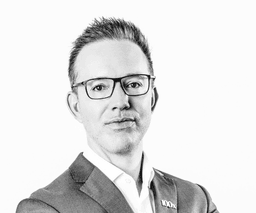
These include the US election, ongoing trade tensions between the US and China, and the risk that the economic recovery may be neither as strong nor as quick as people hope. For asset allocators, it’s important to consider how best to protect against these kinds of uncertainties. ‘At the beginning of February we had put options on the S&P 500 in our funds with global mandates, and that worked really nicely in the first quarter,’ said Rob Oellermann (pictured), director and portfolio manager at Tantalum Capital. ‘We sold those, but reinstated the bulk of that position actually a bit early. ‘We also still carry a fairly healthy cash allocation in our balanced funds. We think we’re in for a bit of a bumpy ride ahead.’
For Jacques Conradie, MD at Peregrine Capital, options are, however, not that attractive at the moment. ‘We like protection when it’s very cheap,’ he said. ‘In February you were getting super value for money, and at that stage we had protection on half of our funds. But now premiums are much higher. Currently we don’t have put option protection in place given the high volatility.’
Precious metals However, Peregrine still thinks that having downside protection is important.
‘Currently our best idea for how to do that is through owning some gold in our portfolios,’ said Conradie. ‘We think it has a great track record of being negatively correlated to overall markets.‘Gold is still a very small portion of the average portfolio, and we think there is a lot of scope for people to realise that they could hold 2% or 5% or even 10%. They will come to a different answer depending on their risk appetite and how they view the asset class, but we think you need to hold gold when rates in all developed markets are zero. It offers good protection against geopolitical risk, and so for us it is a better hedge.’
Oellermann also sees value in holding gold shares, and is also believes that platinum could start to be seen more as a store-of-value trade. ‘A fact about gold that I think is often overlooked is that if you take all the gold that has mined and add all reserves together, there is about $6tn of value in the world,’ said Oellermann. ‘Total global wealth is about $350tn. If you think about the amount of money printing going on, I think gold offers you disaster protection.
‘If the cure for all ills is printing money and government handouts, which seems to be what Covid has taught governments and central bankers, it’s not surprising to me that investors are trying to find assets that will protect their purchasing power down the line – something that is scarcer and cannot be printed.’
Liquidity ruffle has also had a favourable view of gold stocks for some time, having carried meaningful positions in its portfolios for the last three years. Power (pictured above) said that it is one of the tools that asset allocators have when thinking about how portfolios will perform in different environments.
‘Historically, investors have thought holding bonds is a measure of diversification,’ he said. ‘But four of five months back, bonds just didn’t’ protect you in that sort of environment. So you have to be thinking about taking protection in some areas perhaps you wouldn’t normally expect to build anti-fragile portfolios.
‘We all believe that higher levels of volatility are here to stay. There are many tail risks in play in terms of geopolitical risks, money printing, negative real interest rates, and perhaps even negative nominal interest rates. All of these things suggest that the potential for shocks and unintended consequences are higher, and because of that you need to be thinking about how a portfolio would perform during certain conditions of stress.’
One thing he believes should certainly not be under-estimated is the importance of liquidity. ‘Liquidity gives you optionality, and the ability to do things,’ said Power. ‘For smaller asset managers, volatility is in effect alpha. When you understand the price of an asset or the value of an asset and how the price moves around that, you have chances to arbitrage, but you need liquidity to do that. ‘The landscape has fundamentally changed in the way the world is going to do business,’ he added. ‘Don’t be surprised when we have a lot of volatility, and don’t lock yourself into positions where you don’t have the option to change your mind.’
In the News
South Africa’s Young Maths Champions Prepare to Make 24 as Peregrine Capital 24SumMore National Final Looms
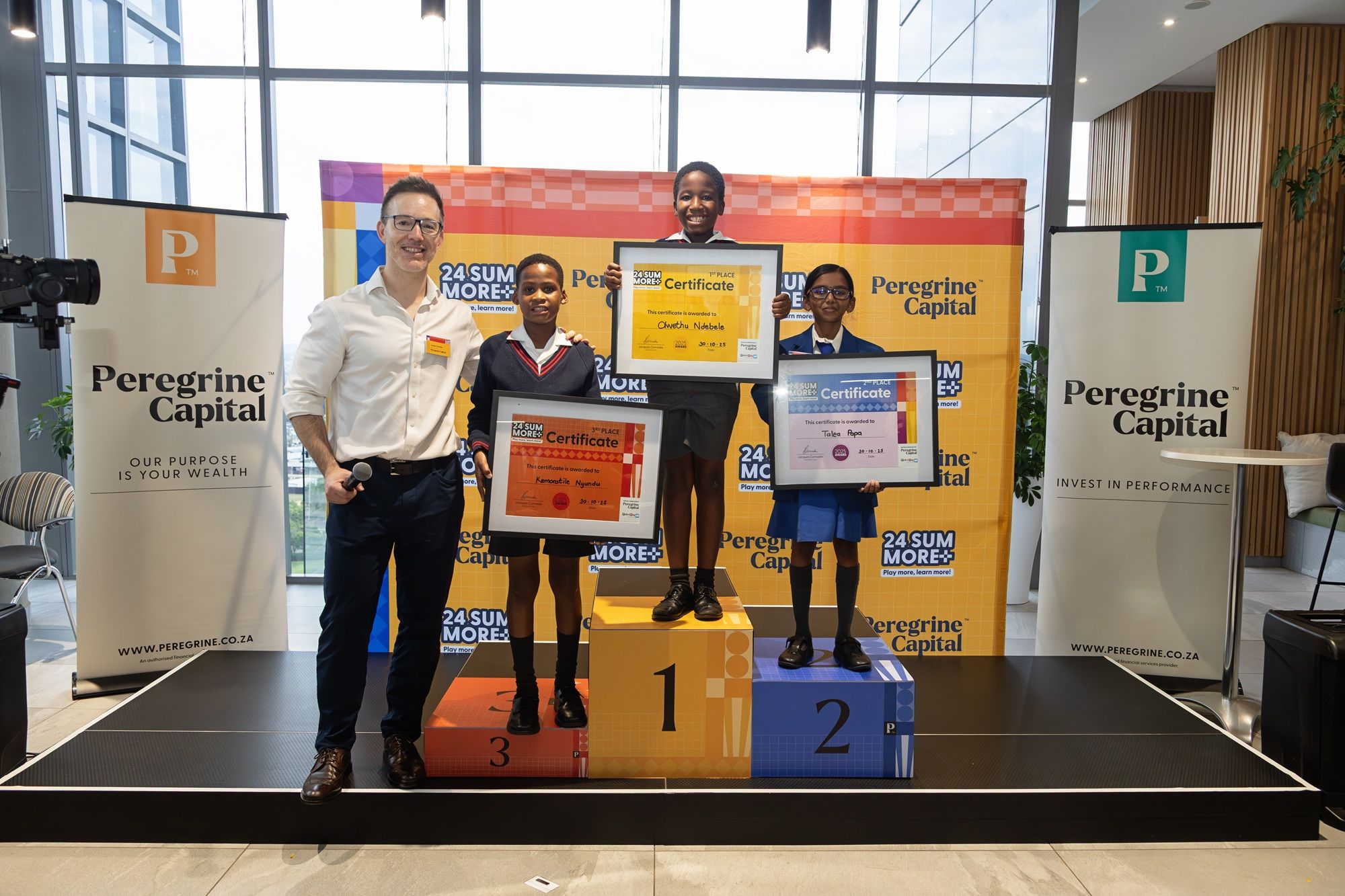
Can you make 24? Grade 4 – 6 maths champions from 300+ schools compete in the Peregrine Capital 24SumMore national final in Johannesburg on 29 October 2026.
- article
- 3 min read
- 29 September 2026

In the News
The Many Hats a Financial Advisor Wears
Ask most people what a financial advisor does and you get some version of the same answer: they pick investments. That is the visible part of the job, in the way that a prescription is the visible part of what a doctor does. The value sits in everything that happens before it. Writing for Moneyweb, Anne Holding, an investment specialist at Peregrine Capital, sets out the roles a good advisor takes on across an investor's life. Specialist, demystifier, coach, therapist, architect. She also explains why much of that work leaves nothing to point to, because its purpose was prevention.
- article
- 3 min read
- 15 September 2026

In the News
Leading Beyond the Numbers
"Technical competence is the entry ticket, not the differentiator." That line, from Tania Formilan, CFO and COO at Peregrine Capital, is a fair test for anyone building a career in this industry. At a senior level, everyone can do the numbers. What separates people is lateral thinking, judgement, integrity, and the ability to build genuine trust with clients and colleagues. Tania qualified as a CA(SA) in 2000 and joined Peregrine more than 25 years ago, moving from a finance role into operational leadership as the business grew. In that time she has watched South African hedge funds shift from a largely unregulated corner of the market, viewed with scepticism by the broader investment community, to a regulated part of the collective investment landscape, held to the same standards of governance, transparency and risk management as any other asset manager. On what matters most: never lose sight of the fact that people, not processes, get things done. Companies succeed when their people do. Her full interview appears in the Women in Hedge Funds II special report, published by HedgeNews Africa. Our thanks to HedgeNews Africa and Tania Formilan.
- article
- 3 min read
- 26 August 2026
Stay connected
Subscribe to Peregrine Capital's regular communications. Gain access to up-to-date news and insights from our world of Hedge Funds, delivered straight to your inbox.
Stay informed. Stay Educated.